

Dried tiny crayfish (often called crayfish in Nigeria and many parts of West Africa) is a nutrient-dense seafood seasoning that delivers far more than flavor. Despite its small size, it packs impressive nutritional and health benefits when eaten in moderation.
Nutritional Value of Dried Crayfish (per ~100g, approximate)
Values may vary slightly depending on species and drying method.
-
Protein: 60–70 g
-
Calories: ~300 kcal
-
Fat: 5–8 g
-
Omega-3 fatty acids: Moderate
-
Calcium: Very high
-
Iron: High
-
Zinc: Moderate–high
-
Magnesium: Moderate
-
Phosphorus: High
-
Vitamin B12: High
-
Niacin (B3): Moderate
-
Cholesterol: Present (but dietary cholesterol impact is individual-dependent)
Major Health Benefits of Eating Dried Crayfish
1. Excellent Source of High-Quality Protein
Dried crayfish contains complete protein, essential for:
-
Muscle growth and repair
-
Tissue regeneration
-
Immune system strength
-
Enzyme and hormone production
This makes it especially valuable where animal protein is scarce or expensive.
2. Strengthens Bones and Teeth
Because dried crayfish is eaten whole (shell included), it is exceptionally rich in calcium and phosphorus, which:
-
Prevent osteoporosis
-
Support bone density
-
Strengthen teeth
-
Aid children’s skeletal development
This is particularly beneficial for older adults and growing children.
3. Supports Brain and Nervous System Health
Crayfish provides:
-
Vitamin B12 – critical for nerve health
-
Omega-3 fatty acids – support cognitive function and memory
Adequate intake may help reduce:
-
Nerve damage
-
Brain fog
-
Cognitive decline with age
4. Boosts Immunity
The zinc, selenium, and protein content help:
-
Strengthen immune responses
-
Speed wound healing
-
Improve resistance to infections
This is especially useful during illness recovery or periods of stress.
5. Improves Blood Health and Prevents Anemia
Dried crayfish contains iron and vitamin B12, which:
-
Support red blood cell production
-
Help prevent iron-deficiency anemia
-
Improve oxygen transport in the body
This is beneficial for women, especially during pregnancy (when eaten hygienically and in moderation).
6. Heart Health Benefits
When consumed sensibly:
-
Omega-3 fats help reduce inflammation
-
May lower bad cholesterol (LDL)
-
Support heart rhythm and circulation
⚠️ Note: Avoid excess salt-added crayfish, as high sodium can affect blood pressure.
7. Supports Metabolism and Energy Production
B vitamins in crayfish help:
-
Convert food into energy
-
Support metabolism
-
Reduce fatigue
This makes it useful for physically active individuals.
8. Aids Weight Management
-
High protein = longer satiety
-
Low carbohydrate content
-
Enhances flavor without adding sugars
This makes it ideal for low-carb or high-protein diets.
9. Improves Taste Without Artificial Seasonings
Dried crayfish enhances flavor naturally, reducing dependence on:
-
Artificial seasoning cubes
-
Excess salt
-
MSG-heavy products
This can lead to healthier cooking overall.
Cultural and Practical Benefits
-
Long shelf life
-
Affordable protein source
-
Widely used in soups, stews, sauces, and snacks
-
Important in traditional African diets
Precautions & Considerations
-
Allergy risk: Shellfish allergies apply
-
Hygiene: Poorly dried or stored crayfish may contain contaminants
-
Sodium: Some processed varieties are heavily salted
-
Cholesterol: People with specific medical conditions should moderate intake
Best Ways to Consume Dried Crayfish
-
Ground into powder for soups and sauces
-
Lightly toasted to enhance aroma
-
Combined with vegetables and legumes
-
Used as seasoning rather than eaten excessively alone
Summary
Dried tiny crayfish is a nutritional powerhouse—rich in protein, calcium, iron, and essential vitamins. When properly processed and eaten in moderation, it supports bone health, immunity, brain function, heart health, and overall nutrition, making it one of the most valuable traditional foods in African cuisine.
About Nutritional Values and Numerous Health Benefits of Eating Crayfish
The nutrients contained in crayfish makes it good for our everyday diets, as it contains essential nutrients needed by the body, and in some cases, apart from eating crayfish as a food condiments, it can be grounded and use to fortify or complement babies and children ‘s food.
The Health Benefits of Crayfish are as follows:
- Helps in Weight Loss
Crayfish is very good for those who would want to lose or maintain their weight because it contains low fats as well as traces of carbohydrates. Crayfish helps in making a healthy and nutritious diet. This seafood can go a long way is serving as salads and green vegetables.
- Helps in Body Building
It contains protein of high-quality and because of this, it is recommended to be a part of our daily diet since adequate protein helps in building and developing the body muscles and tissues. Constant eating of this seafood will really be of great help in repairing the broken cells and also helps in building the new cells.
- Helps in Maintaining and Body Fluid
Crayfish contains Sodium and potassium which is a very vital nutrient in crayfish. Sodium is well-known to play the role of maintaining and balancing the body’s fluid, but remember that high intake of sodium leads to increase in the blood pressure (hypertension), while the presence of potassium helps the blood vessels to relax and maintain a normal pressure, as well as aid in decreasing the blood pressure by removing sodium. This means that it’s necessary to increase potassium intake in the case where sodium is high in the body since it will help to balance the sodium.
- Development of Bones
Crayfish is one of the sources of the minerals like calcium and magnesium which helps in the development of bones, teeth and the muscle and can help in minimizing the chances of developing bone-related diseases that are caused by calcium and magnesium deficiency.
It serves also as a source of iron, daily intake of crayfish which aid in improving the production and circulation of blood in the body and can effectively reduce the chances of developing anemia and other low iron-related health conditions. Thus eating this seafood constantly helps to achieve a healthy bone which helps in reducing the chance of body inflammation as well as joint pain.
- It Contains A good amount of Iodine
We cannot list the health benefits of crayfish, without mentioning Iodine, seafood are rich in iodine and it plays a major role in the proper functioning of the thyroid gland. Excess intake of iodine-rich foods can cause the thyroid to inflame and might even lead to cancer, while its deficiency leads to goiter. The iodine present in this seafood helps in increasing the level of energy in the body and also of a great help maintaining the body immune system.
- It develops the brain
Crayfish contains omega-3 acids which helps greatly in developing the functions of the brain and provides more energy to the brain. Constant intake of crayfish can help to prevent the chance of Alzheimer’s disease. Crayfish is good seafood for growing children because it will help in developing the brain. The omega-3 acids present in the seafood also aids in promoting the cognitive function.
- It Promotes Eye Health
The omega-3 fatty acid contained in crayfish helps in promoting the eyesight by decreasing the risks of loss vision. The omega-3 fatty acids present in the seafood plays a great role in developing the overall body system. Eating crayfish often aid in promoting a healthy vision which helps in eyesight. Crayfish is indeed a good for those suffering from eye problem because it can go a long way in reducing it. Crayfish meals when processed with green vegetables and carrots will give more vitamin A for the eyes.
- Promotes a healthy skin
The constant intake of crayfish maintains and promotes a healthy skin because of omega-3 fatty acids contained in the seafood. The omega-3 acids present in this seafood preserves the skin against ultraviolet rays (UV rays). This seafood aids in making the body smooth by removing spots and blemishes and also helps in promoting a beautiful and healthy skin. Crayfish is a very healthy food for promoting a healthy skin, making one to look more fresh and younger every day.
- It Helps in Preventing Depression
This seafood crayfish can aid in prevention of depression because of the omega-3 fatty acids contained in it, which helps in boosting the mental health of the body system. Constant consumption of crayfish can really help in dealing with depression. Therefore it is advisable for those suffering from depression to always eat enough of this seafood regularly because it will really be of great help to them in combating stress and depression.
- 1 Restores Body Cells
Crayfish can also help in restoring the body cells. The seafood contains a lot of vitamins and minerals. This seafood being a good source of protein helps greatly in body cells restoration, thereby repairing the broken cells and also builds a new cell. Therefore regular intake of crayfish can help to obtain the best health result which will bring a lot of benefits to life. The body organs works perfectly when the body cells is been regenerated.
- It Helps in Treating Inflammation
This seafood crayfish is a healthy food for the treatment of inflammatory diseases like allergy, asthma, autoimmune diseases, coeliac disease and many others. Due to presence of protein and other vitamins contained in the crayfish, it really helps to treat inflammation in the body. Nutrients contained in the crayfish can help to preserve the body from environmental stress. Therefore crayfish is very good for protection of the body against the chance of certain health diseases.
- Helps in Boosting Fertility
The nutrient contained in this seafood (selenium) serves as a great help in improving reproductive system. It is very essential food for couples most especially for women because it aids in enhancing fertility in women. Most seafood is good for health and also can help to increase women’s fertility. Therefore regular intake of crayfish can aid in reducing infertility in women.
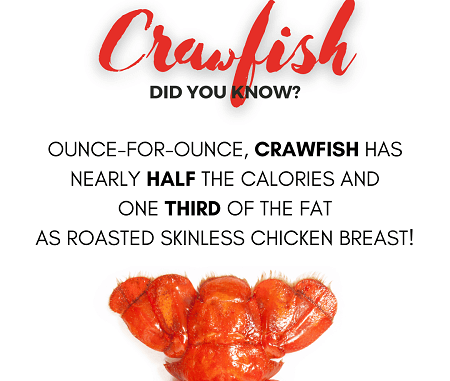
Nutritional Values of Crayfish
Crayfish is a seafood that contains varying ranges of minerals and vitamins such as vitamin B6 and B12, Vitamin A, D, E and K, phosphorus, zinc, iron, calcium, magnesium, sodium and other macronutrients like carbohydrates, protein and fat.
| (per 3 oz. – 85g serving) | |
| Fiber (g) 0 | 0 |
| Omega 3 (mg) | 9.8 |
| Omega 6 (mg) | 0.8 |
| Vitamin A (IU) | 1.4 |
| Vitamin C (mg) | 0.9 |
| Vitamin K (mcg) | 0 |
| Thiamin – B1 (mg) | 0 |
| Riboflavin – B2 (mg) | 0.1 |
| Niacin – B3 (mg) | 1.4 |
| Pantothenic Acid – B5 (mg) | 0.4 |
| Vitamin B6 (mg) | 0.1 |
| Vitamin B12 (mcg) | 2.6 |
| Folate (mcg) | 9.4 |
| Choline (mg) | 0 |
| Calcium (mg) | 43.4 |
| Copper (mg) | 0.5 |
| Iron (mg) | 0.9 |
| Magnesium (mg) | 28.1 |
| Manganese (mg) | 0.2 |
| Phosphorus (mg) | 204.9 |
| Potassium (mg) | 202.3 |
| Selenium (mcg) | 29.1 |
| Sodium (mg) | 82.5 |
| Zinc (mg) | 1.3 |
Conclusion
Crayfish is one of the healthy and available seafood in Nigeria and globally, and it is naturally packed with minerals, vitamins and other nutrients which are beneficial to health.
Eating crayfish in moderation is the key to gaining all the essential nutrients it contains without been worried about the effects and health conditions that its high consumption might cause or trigger.
The vitamins present in crayfish play an important role in the body too, as it helps in improving the general wellbeing of the body which includes the skin, eyes and more.
Due to great nutrients contained in crayfish, it is indeed a great food to promote the overall body health but when taken excess can lead to high blood pressure and cardiovascular (diseases of the heart).
more
The presence of crawfish indicate that the waters they are in are relatively clean, since they rarely live in waters that are polluted. Crawfish, also called crawdads or crayfish, look like tiny lobsters and are typically between 3 inches and 6 inches long. They are a low-fat source of protein and essential vitamins and minerals.
Macronutrients
A 3-ounce serving of cooked crawfish contains 70 calories and 14 grams of protein along with trace amounts of fat and carbohydrates. It also contains 115 milligrams of cholesterol, which is 40 percent of the recommended daily limit of 300 milligrams for cholesterol for healthy people. People with heart disease or high cholesterol need to limit their daily cholesterol intake to less than 200 milligrams.
Vitamins
When you eat a serving of crawfish, you get 30 percent of the daily value for vitamin B-12, 10 percent of the DV for niacin and folate and 4 percent of the DV for riboflavin, thiamine and vitamin B-6. These B vitamins are essential for nervous system function, turning the food you eat into energy and keeping your liver, eyes, skin and hair healthy.
Minerals
Crawfish are a good source of phosphorus, providing 25 percent of the DV per serving. A 3-ounce serving also provides you with 10 percent of the DV for zinc, 8 percent of the DV for magnesium, 6 percent of the DV for calcium and 4 percent of the DV for iron. Phosphorus and magnesium help your body create and store energy, strengthen bones and teeth and assist with muscle and nerve function. Zinc makes it possible for you to smell and taste, assists with wound healing and immune function and the formation of DNA and protein.
Use
Purchase crawfish that are either frozen, cooked or alive. Cooked crawfish should be bright red in color. Cook crawfish the same way you would cook lobster, with boiling being one of the most common methods. Use your hands to pick out the meat from the little shells, especially the tails and larger claws. Some people also suck out the head when eating crawfish.
Crayfish vs Krill — Are They the Same?
| Feature | Dried Tiny Crayfish | Krill (Whale Food) |
|---|---|---|
| Scientific group | Freshwater/estuarine crustaceans | Marine planktonic crustaceans |
| Size | Small (but larger than krill) | Very tiny (1–6 cm) |
| Habitat | Rivers, lakes, estuaries | Cold oceans (Antarctic, Arctic) |
| Human consumption | Very common | Rare directly; mostly processed |
| Used by whales? | ❌ No | ✅ Yes |
➡️ They are related but not the same species.
Why Does Krill Make Whales So Big?
This is where the misunderstanding comes from.
1. It’s About Quantity, Not Magic
-
A blue whale eats 3–4 tons of krill per day
-
That’s millions of individual krill
-
Growth comes from massive calorie intake, not a special “giant-making nutrient”
A human would need to eat their body weight daily to mirror this effect — impossible.
2. Krill’s Unique Nutritional Edge
Krill is unusually nutrient-dense for its size:
-
High-quality protein
-
Omega-3s (EPA & DHA) — far higher than crayfish
-
Astaxanthin — powerful antioxidant
-
Phospholipids — improve fat absorption
These nutrients:
-
Support rapid tissue growth
-
Reduce inflammation
-
Improve energy efficiency
🟢 But none of these override genetic limits.
Nutritional Comparison (per 100g, dried equivalent)
| Nutrient | Dried Crayfish | Krill |
|---|---|---|
| Protein | 60–70 g | 55–65 g |
| Omega-3 | Moderate | Very High |
| Calcium | Very High (shell eaten) | Moderate |
| Iron | High | Moderate |
| Vitamin B12 | High | Very High |
| Antioxidants | Low | Very High (astaxanthin) |
| Cholesterol | Higher | Lower (phospholipid-bound) |
If Humans Ate Krill Like Whales — Would We Grow Bigger?
No. Here’s why:
🔹 Genetics Set Size Limits
-
Human height and body size are genetically capped
-
Nutrition only helps you reach your genetic potential, not exceed it
🔹 Whales Evolved for Krill
-
Baleen filters krill efficiently
-
Extreme digestive efficiency
-
Metabolism optimized for marine fats
Humans:
-
Can’t eat krill in massive amounts
-
Would suffer digestive overload
-
Risk heavy metal exposure (if unregulated)
So Where Does Crayfish Win?
🟢 Crayfish is Better for Humans Because:
-
Easier to digest
-
Safer when properly dried
-
Excellent calcium source
-
Fits traditional diets
-
Affordable and accessible
-
Enhances flavor naturally
For humans, crayfish is nutritionally more practical than krill.
Krill Oil vs Crayfish — The Real Human Benefit
Krill’s benefit to humans comes only in extracted form:
-
Krill oil supplements (controlled doses)
-
Concentrated omega-3s
-
Anti-inflammatory benefits
Crayfish:
-
Whole-food nutrition
-
Protein + minerals + flavor
-
Long-term dietary use
Final Truth (No Hype)
Krill doesn’t make whales big.
Whales are big because they evolved to eat krill.
Crayfish, on the other hand, is:
-
A nutritional powerhouse for humans
-
A culturally proven protein source
-
Better suited to daily consumption
