

Warnings after woman is burned by ‘vagina steaming’
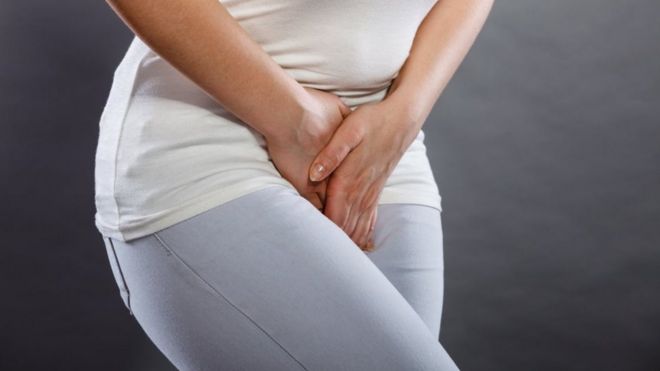 Image copyright GETTY IMAGES
Gynaecologists are warning of the potential risks of vaginal steaming after it emerged a Canadian woman burned herself attempting one.
A case study, involving a 62-year-old, was published in the Journal of Obstetrics and Gynaecology Canada.
The woman had been suffering from a prolapsed vagina and believed the treatment could help avoid surgery.
Vaginal steaming, which involves sitting over a hot water and herb mix, has seen a growth in popularity.
It and other treatments for intimate areas, including vulva facials, are now available at some salons and spas.
The LA Times first reported on the steaming trend in 2010, and it later gained widespread attention when Gwyneth Paltrow’s Goop brand recommended it.
Last year, US model Chrissy Teigen also shared a photograph of herself undergoing the treatment.
Spas advertising “v-steaming” claim it has been used throughout history in countries in Asia and Africa. They say the practice, which is sometimes called Yoni steaming, acts to “detox” the vagina.
Experts, however, warn it can be dangerous and say there is no proven medical evidence for the health claims being made, including that steaming can ease period pains or help with fertility.
Dr Vanessa Mackay, a consultant and spokeswoman for the Royal College of Obstetricians and Gynaecologists, says it is a “myth” that the vagina requires extensive cleaning or treatment. She recommends using plain, unperfumed soaps on the external vulva area only.
“The vagina contains good bacteria, which are there to protect it,” she said in a statement.
“Steaming the vagina could affect this healthy balance of bacteria and pH levels and cause irritation, infection (such as bacterial vaginosis or thrush) and inflammation. It could also burn the delicate skin around the vagina (the vulva).”
A number of doctors have been sharing the injured woman’s story in recent days in order to highlight the potential dangers from steaming.

Dr Magali Robert, who authored the article, said the injured woman attempted to steam her vagina on the advice of a traditional Chinese doctor.
The woman, who gave permission for her case to be shared, sat over the boiling water for 20 minutes on two consecutive days before presenting at an emergency department with injuries.
- had to delay reconstructive surgery while she healed.
Dr Robert, who works in pelvic medicine and reconstructive surgery in Calgary, said word of unconventional therapies like steaming can spread through channels like the internet and word-of-mouth.
“Health care providers need to be aware of alternative therapies so that they can help women make informed choices and avoid potential harm,” she says in the article.
Do’s and Don’t: How should one wash their vagina?
There is a barrage of conflicting information out there about cleaning your vagina and to make matters worse, women are bombarded by feminine products claiming to make their lady parts smell like roses and vanilla. So, what exactly is the truth?
First things first, misguided information on how to clean your vagina could leave you anywhere between itchy skin and a full-on yeast infection. We all know that when things are uncomfortable down there, things are uncomfortable everywhere so you want get it right.
Here’s how to properly was your vagina and keep it happy, healthy, and feeling fresh!
Washes
It’s a good idea to avoid perfumed soaps, gels and antiseptics as these can affect the healthy balance of bacteria and pH levels in the vagina and cause irritation. However, all women are different. Some may wash with perfumed soap and not notice any problems.But if a woman has vulval irritation or symptoms, one of the first things you can do is use non-allergenic, plain soaps to see if that helps. The vagina will clean itself inside your body with natural vaginal secretions (discharge).
During your period, washing more than once a day may be helpful and keeping the perineal area between the vagina and anus clean is important, too. Good perineal hygiene is necessary by washing that area at least once a day using your normal bathing routines.
Douching
A douche flushes water up into the vagina, clearing out vaginal secretions. Some women use a douche to “clean” the vagina. However, using a douche can disrupt the normal vaginal bacteria, so it isn’t recommended that you use one.
There’s no evidence that douching protects against STIs or vaginal infections, and it may even increase the risk. The same goes for vaginal steaming, which seems to be all the rage now, but can increase the amount of harmful bacteria in the vagina in the long run.
Scented wipes and sprays
These perfumed products can disrupt the vagina’s healthy natural balance. If nature had intended the vagina to smell like roses or lavender, it would have made the vagina smell like roses or lavender.
Washing with water and a plain soap should be all you need to keep your vagina healthy. It’s normal for the vagina to have a scent.
How often?
Make sure you’re cleaning your vagina at least once a day. If you clean any less, you might not be getting rid of the buildup of sweat and secretions; if you clean any more than once a day, you could be disrupting the delicate pH balance of your vaginal area.
When it comes to method, using a soft washcloth or your bare hand it is better than using a loofah or something more coarse, which can create small tears and expose you to infection Watch out for itching, dryness, discharge changes, and yeast infections. Over-cleaning can cause these irritating symptoms, too.
Top tips:
- When showering or bathing, wash your vulva with warm water and mild or unscented soap. Make sure the water isn’t too hot and remember to rinse off all the soap.
- Separate your labia and let the warm soapy water clean all around the clitoral hood and between your labia. This will rinse off any secretions that get stuck in between skin folds.
- Rinse completely and pat dry your vulva with a soft dry towel.
- In between baths or showers, you may wish to use a facecloth or a peri-care small plastic bottle filled with warm (not hot) water that squirtsto clean your vulva. This plastic water bottle is also good to use during your period. You can usually find them at your local pharmacy or dollar store for about $1-$3 dollars.
- While on your period, change your tampon/pad often.The vagina cleanses itself naturally. The cells in the vagina keep it at a normal pH so you should NEVER douche or use any sprays in your vagina (unless your health care provider prescribes it).
- Use mild soap and warm water to clean around the opening to your vagina. Do NOT place soap into your vagina.
